If you're thinking about installing an oven in your garden or on your patio, you've probably asked yourself the same question sooner or later: wood-fired or gas oven? Both options have their advantages, but also their limitations. In this article, we'll help you compare the two alternatives so you can choose the outdoor oven that best suits your space, your lifestyle, and, of course, what you love to cook.
What is the real difference between a wood-fired oven and a gas oven?
On a technical level, the difference is simple: one uses wood as fuel and the other uses gas (butane, propane, or natural gas). But beyond the fuel, each system offers a very different user experience, from how it ignites to how it influences the final flavor of what you cook.
Outdoor wood-fired oven: authenticity comes at a price
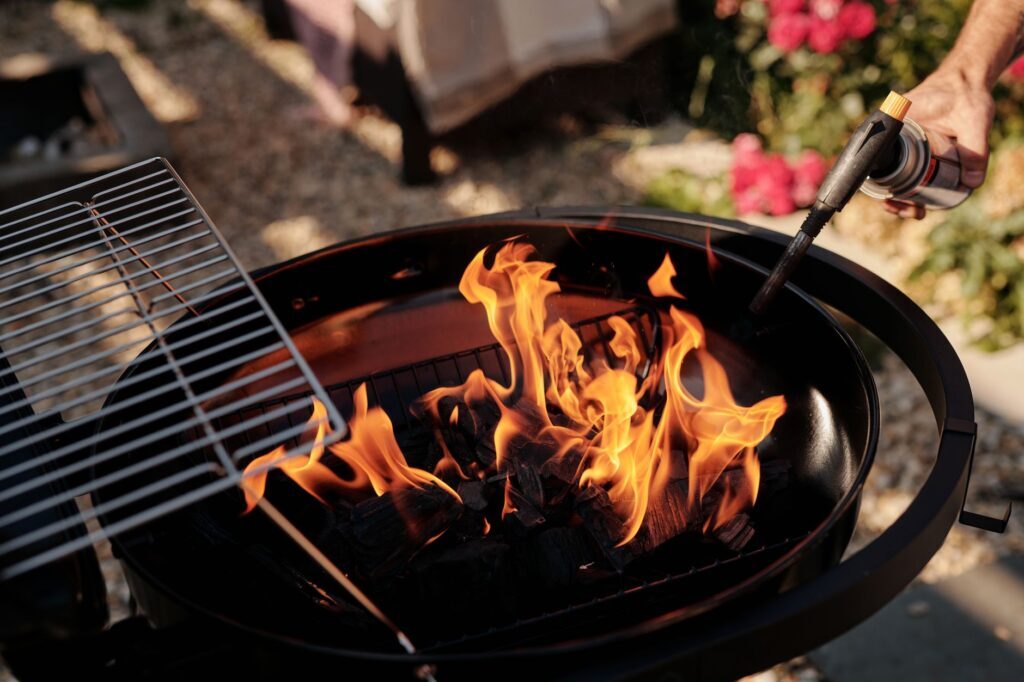
The wood-fired oven is the undisputed king when it comes to flavor. The wood smoke imparts an aroma and a toasted note that's difficult to replicate with any other technology. If you value the experience as much as the result, a wood-fired oven is probably the best choice for you.
Advantages of a wood-fired oven
- Unbeatable flavor: The combustion of wood generates aromas that permeate food in a way that gas cannot replicate.
- High temperatures: A good wood-fired oven can exceed 450°C, ideal for Neapolitan pizzas in less than 90 seconds.
- Energy independence: You don't need a mains connection or gas canisters. Just wood.
- Aesthetics and atmosphere: There's something particularly appealing about lighting a fire, waiting, and enjoying the process. It's part of the experience.
Disadvantages of a wood-fired oven
- Preheating time: It can take between 45 minutes and 1 hour to reach the optimal temperature.
- Requires practice: Managing fire and embers is not immediate; there is a learning curve.
- Maintenance: It needs periodic ash cleaning and inspection of the dome or flue.
- Space and regulations: On terraces in communities or urban areas, smoke can be a problem.
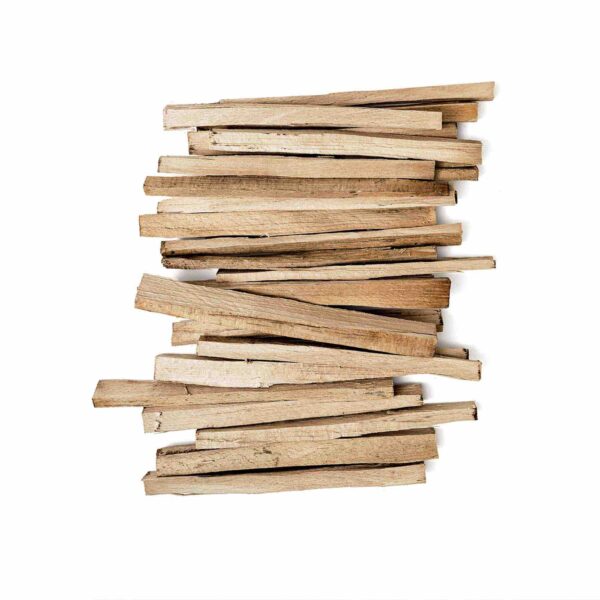
If you choose a wood-fired oven, the quality of the wood makes a noticeable difference. Dense, well-dried woods like oak offer cleaner, longer-lasting combustion with less smoke.
Outdoor gas oven: convenience and precision
Gas ovens have gained many fans in recent years, especially among those who want to enjoy a good pizza at home without spending an entire afternoon on the process. Convenience is their biggest advantage.
Advantages of a gas oven
- Instant on: It reaches very high temperatures in a matter of minutes, without needing to wait.
- Temperature control: You can regulate the heat precisely, which is an advantage for recipes that require consistency.
- Simple cleaning: No ash or charcoal residue. One pass and you're done.
- Quieter and less intrusive: Smoke-free, spark-free, suitable for patios and less ventilated spaces.
Disadvantages of the gas oven
- More neutral flavor: It doesn't impart the characteristic smoky flavor of wood. For purists, this is a significant drawback.
- Supply dependency: You need to always have gas available, either in a cylinder or with a fixed connection.
- Fuel cost: In the long term, gas can be more expensive than firewood in areas where firewood is readily available.
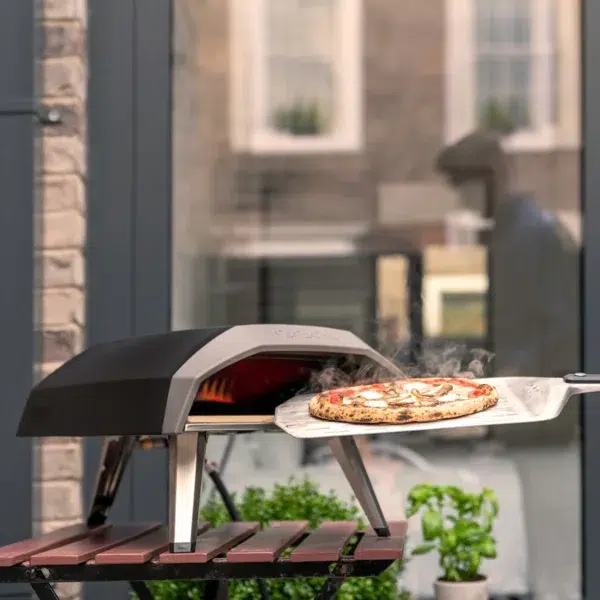
A good example of this type of oven is the Ooni Koda 12, a compact gas oven that reaches 500°C in about 15 minutes. It's a very practical option for medium-sized terraces where there isn't enough space for a built-in structure or for storing firewood.
Which one to choose depending on your situation?
There is no single answer. The choice depends on several specific factors:
Available space
If you have a large garden, a wood-fired oven is a perfect fit. If your space is an urban terrace or a small patio, a compact gas oven is much more manageable and less likely to cause problems with the neighbors.
Frequency of use
Will you be using the oven every week or only on special occasions? If you'll be using it often and want convenience, gas wins. If you reserve it for family gatherings where the ritual is part of the plan, wood has much more charm.
Initial and long-term budget
Built-in wood-fired ovens typically have a higher initial cost (including installation), but the fuel is inexpensive. Portable gas ovens are more affordable initially, but fuel costs add up over time.
What are you going to cook?
For traditional Neapolitan pizzas, a wood-fired oven offers superior results. For meats, fish, or bread, both can produce excellent results. If you plan to vary your menu frequently, gas offers greater flexibility and control.
The environment matters too: think about your entire outdoor space
An outdoor oven isn't an isolated element. It's part of a space that invites people to gather, cook, and enjoy the outdoors. That's why it's worth considering the whole package.
If you're setting up an outdoor kitchen area, you'll also need a comfortable place to sit and eat. Looking at your outdoor dining table options can help you plan that space cohesively. Depending on the finish you're looking for, aluminum outdoor tables are a durable and stylish choice, while polypropylene tables offer lightness and ease of maintenance at a more affordable price.
To complete the look, it's also worth checking out the available outdoor chairs and armchairs , where you'll find models for every style. If you prefer something durable and weather-resistant, aluminum chairs and armchairs are a very solid choice.
Accessories that make the difference
Regardless of the type of oven you choose, having the right accessories greatly enhances the experience. Spatulas, baking stones, thermometers, high-temperature gloves, and protective covers are all items that make daily use easier and extend the oven's lifespan. You can find a complete selection in the outdoor oven accessories section , designed to help you get the most out of your choice.
A word of advice before deciding
Before buying, visit a few models in person if possible, or check out real user reviews from people with a similar space to yours. And if you're still undecided between specific models, reviewing the full range of outdoor ovens will give you a clearer picture of what's available in each price range. Sometimes, seeing the actual dimensions and technical specifications together is what makes the final decision. The important thing is that the oven you choose fits your outdoor lifestyle, not the other way around.