How to choose a gas barbecue and what to look for

Choosing a gas barbecue is not as simple as it looks. With so many models, sizes and features on the market, it is easy to be swayed by the price or the design and end up with a grill that suits neither the way you cook nor your outdoor space. In this article we tell you exactly what to look at, so you can make an informed decision and enjoy being outdoors from the very first time you light it.
Why choose a gas barbecue?
Before going into the technical detail, it is worth understanding why gas has become the favourite option for many barbecue enthusiasts. The main advantage is convenience: you light it, set the temperature and start cooking within minutes, with no waiting for charcoal to come to the right point. Heat control is also far more precise, which lets you do everything from a rib of beef at high heat to a slow cook for ribs without much effort.
There is another practical advantage that is far from trivial: cleaning is simpler and you do not have to deal with ash. If you cook often or are short of time, gas simplifies the whole experience enormously.
Size and number of burners: the starting point
The first thing to weigh up is how many people you usually cook for. A gas barbecue with two burners may be enough for a couple or a small family, but if you host gatherings often or like cooking large joints, you will need three burners or more.
The number of burners does not only determine capacity: it also lets you create separate heat zones, which is essential for cooking over direct and indirect heat at the same time. You can sear a piece of meat at high heat in one zone, for instance, and finish it more gently in another.
The Weber Spirit SPX-335 GBS barbecue is a good example of a three-burner barbecue with a generous surface that allows exactly that versatility without taking up too much room on the terrace.
Power in BTU: how much heat you really need
BTU (British Thermal Units) measure the heat output of the burners. The figure always appears on the specification sheet and causes a fair amount of confusion: more BTU does not necessarily mean a better barbecue.
What matters is the ratio between BTU and cooking surface. A small grill with a lot of BTU can burn the food, while a large barbecue with few burners can take too long to come up to temperature. As a general guide, between 80 and 100 BTU per square centimetre of grill is a reasonable range for most domestic use.
Materials: what makes the difference in the long run
How long a gas barbecue lasts depends largely on what it is made of. Pay attention to these points:
- Body and lid: high-quality stainless steel and cast iron are the most resistant to corrosion and to changes in temperature. Avoid models with thin aluminium parts or plastics exposed to direct heat.
- Grates: enamelled cast iron holds the heat better and creates those perfect grill marks. Stainless steel is easier to clean but holds less heat.
- Burners: stainless steel or brass ones last far longer than aluminium. This is a component that wears with use, so it is worth investing in quality.
If you are thinking of a barbecue that will be a permanent part of your outdoor kitchen, the modules for built-in barbecues are an attractive and highly practical solution that builds the grill into the design of the garden or terrace.
Portable or freestanding barbecues: which is your case?
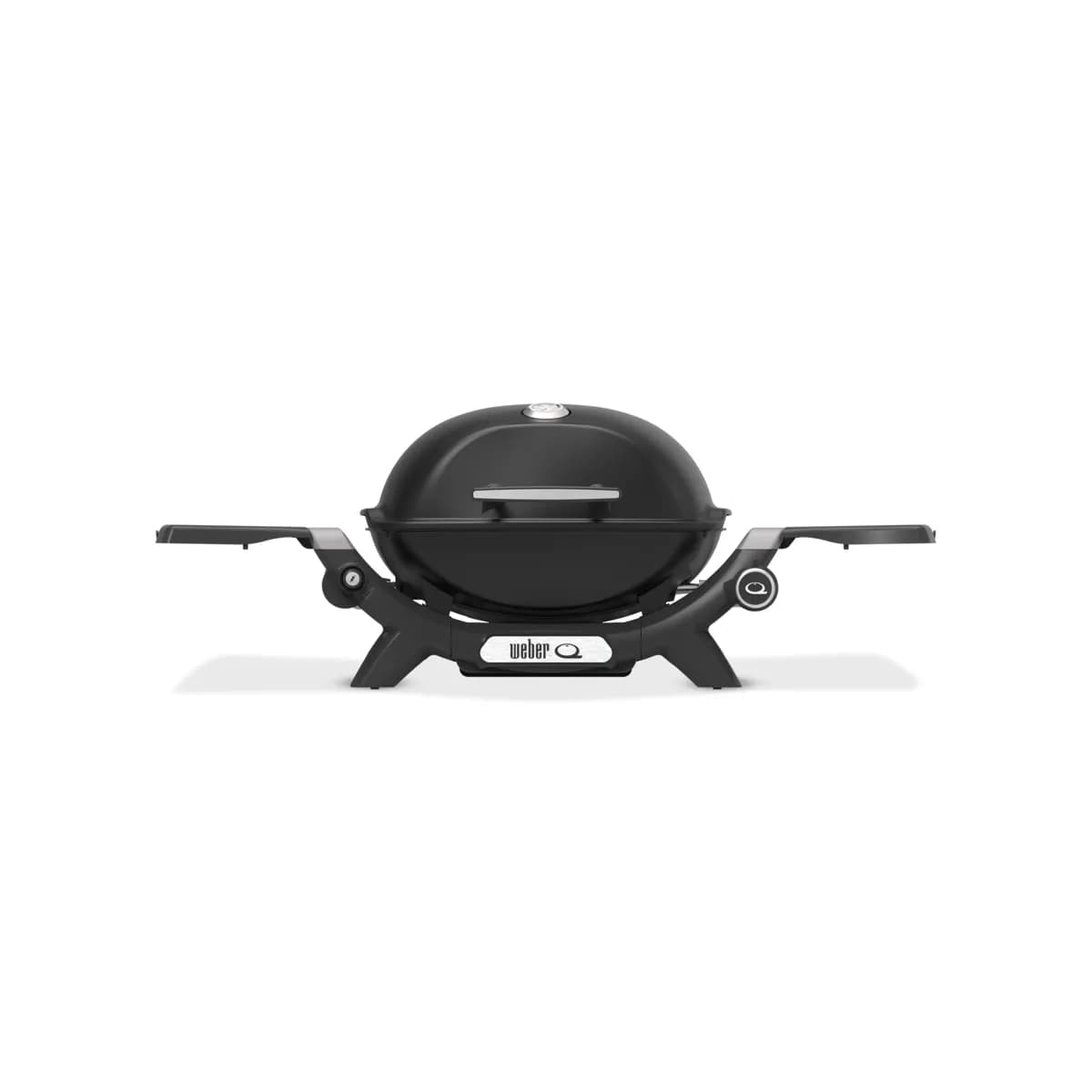
If you have limited space, such as a large balcony or a small terrace, a compact barbecue may be the best option. Models such as the Weber Q 1200N with side tables offer a great deal of performance in very little space and are easy to store or carry.
329,00 €319,00 €
If, on the other hand, you have a garden and want something more permanent, a freestanding barbecue with several cooking zones and side workspace will be far more comfortable to use. These barbecues usually include shelves, drawers and sometimes even a side burner for sauces or side dishes.
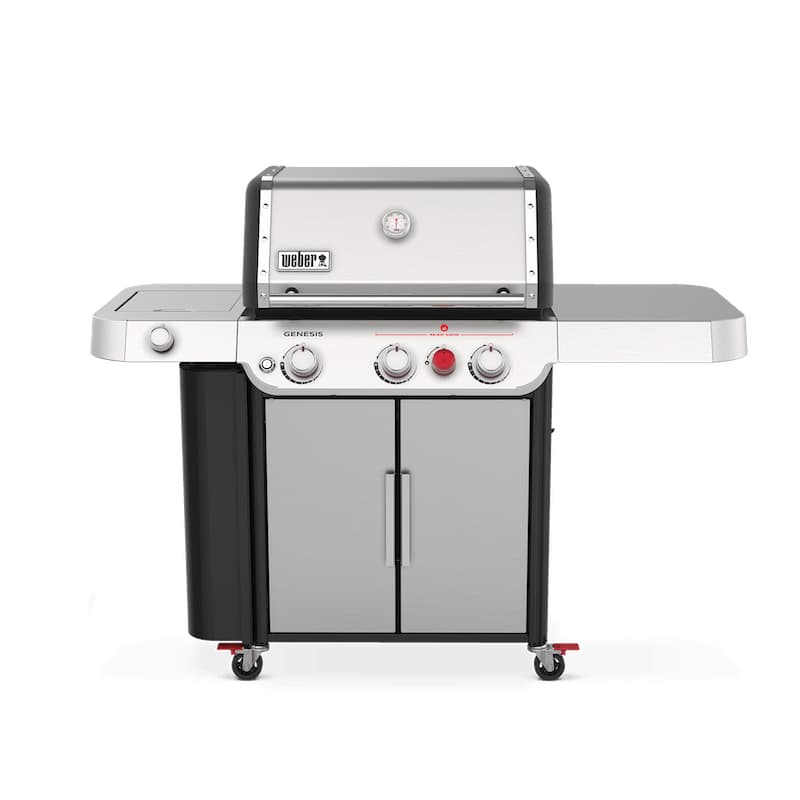
For anyone looking for something in between — professional power with a design made for frequent domestic use — the Genesis® S-335 GBS barbecue from Weber is a very solid benchmark in its category.
1.799,00 €
Built-in barbecues: complete integration into your outdoor space
More and more people are choosing to build the barbecue into a fixed structure in the garden or on the terrace. The built-in barbecues are designed specifically for this: they are installed within a masonry or stainless steel module and form part of a complete outdoor kitchen.
If this option appeals to you, the Napoleon 700 Series 32″ Black Built-in Gas Barbecue is one of the most highly rated for its power, its finishes and how easy it is to clean. It is made for anyone who wants to take cooking outdoors to another level.

In the built-in barbecues section you will find different sizes and power ratings, so you can tailor the installation to your particular needs.
Extra features that really matter
Beyond the burners and the materials, there are a number of additional features worth bearing in mind before you decide:
- Electronic ignition: essential for lighting the barbecue safely and easily, especially if you will use it often or have children about.
- Built-in thermometer: lets you check the internal temperature without opening the lid, which is indispensable for slow cooking or smoking.
- Rear or infrared burner: some models include a rear infrared burner for rotisserie cooking, which opens up very interesting possibilities for whole chickens or large joints.
- GBS (Gourmet BBQ System): grates with this Weber system let you remove the central insert to fit accessories such as a wok, a pizza stone or a griddle, hugely widening what you can do.
- Ease of cleaning: check whether it has a removable grease tray and whether the parts in contact with the fire can be reached and cleaned without any bother.
Protect your investment: why the cover matters
One detail many people overlook when buying a barbecue is protection from the elements. Sun, rain and dust degrade the materials far sooner than expected if they are not properly protected. A good cover that resists water and UV rays can add several years to the life of your barbecue.
Just as you look after the barbecue, if you have a complete outdoor area with a shaded zone you probably already know how important it is to choose each element well. In our guide to choosing the perfect parasol you will find similar criteria applied to another key piece of the garden.
A word of advice before you buy
Before making the final decision, think about how you really cook: if you tend to do long weekend roasts with family and friends, put capacity, number of burners and advanced features first. If you cook two or three times a week in a simpler way, a compact, well-built gas barbecue will give you everything you need without spending more than you have to.
And above all, do not be guided by price alone. A gas barbecue is an investment that, well chosen and well looked after, can be with you for many years. It is worth taking the time to choose the one that really suits you.