How to smoke meat at home: a beginner's guide
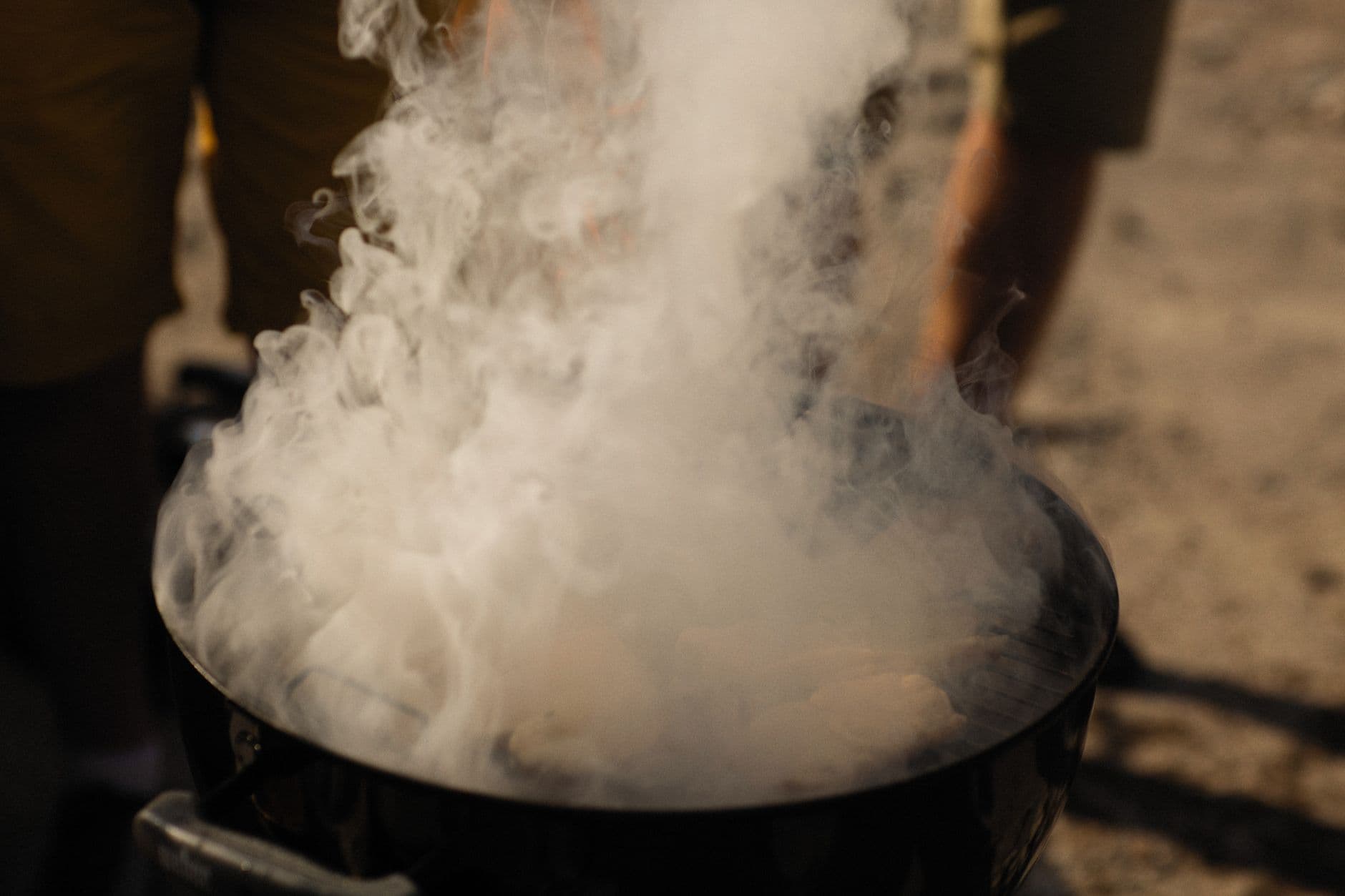
Smoking meat at home is one of those techniques that, once you have tried it, changes the way you think about barbecuing for good. Smoke turns ordinary cuts of meat into something deep, aromatic and with a texture you cannot get any other way. If you have never tried it, this beginner’s guide will give you everything you need to start off on the right foot.
What is smoking and why is it worth it?
Smoking is a slow cooking technique in which the meat is exposed to smoke from wood for several hours at a low temperature. Unlike cooking over direct coals, the aim here is not to brown quickly: it is to let gentle heat and smoke work their way slowly into the meat, softening the collagen, deepening the flavour and creating that famous dark crust known as the bark.
The result is meat that is juicy inside, with a complexity of flavour no seasoning can match. From pork ribs to a whole chicken by way of a good piece of beef, almost everything is better for the smoke.
What you need to start smoking at home
You do not need a 500-euro professional smoker to start. With a charcoal or gas barbecue with a lid you can get excellent results. What matters is being able to control the temperature and create a zone of indirect heat.
The fuel: wood chips
The wood you choose largely determines the flavour profile of your meat. Apple smoke, mild and slightly sweet, is nothing like mesquite smoke, intense and earthy. The key is matching the wood to the type of meat:
- Pork: fruit woods such as apple or cherry are a safe bet. They give a sweet smoke that complements the fat in pork without masking it.
- Poultry: chicken and turkey do well on mild woods. Cherry or hickory in moderate amounts work very well.
- Beef: it takes stronger woods such as oak or hickory. A brisket calls for a smoke with character.
Chips are the most practical format for domestic barbecues. They can be soaked in water for 30 minutes beforehand so that they burn more slowly and smoke for longer, although this step is optional and depends on the type of barbecue you use.
If you are going to smoke pork, these chips are made specifically for that meat and give very good results from the first time:

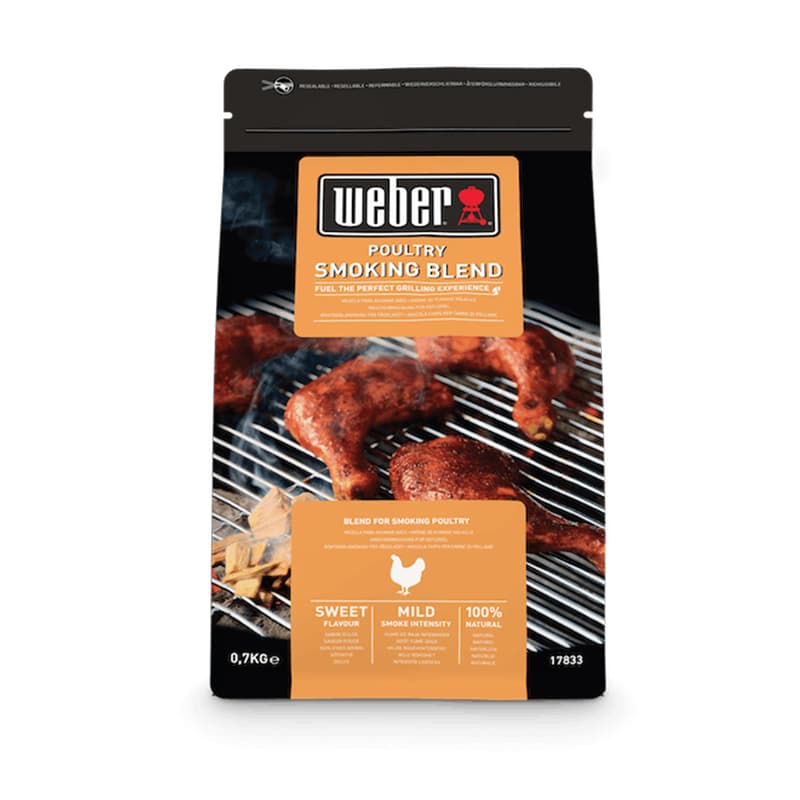
For poultry, go for a milder version made for chicken and turkey:
Temperature control: the key to success
Smoking meat is a long-distance race, not a sprint. The ideal temperature inside the barbecue is between 100 °C and 135 °C. Above 150 °C the meat can dry out and the smoke turn bitter. Below 100 °C the process drags on too long and there is more risk of the meat spending too long in the bacterial danger zone.
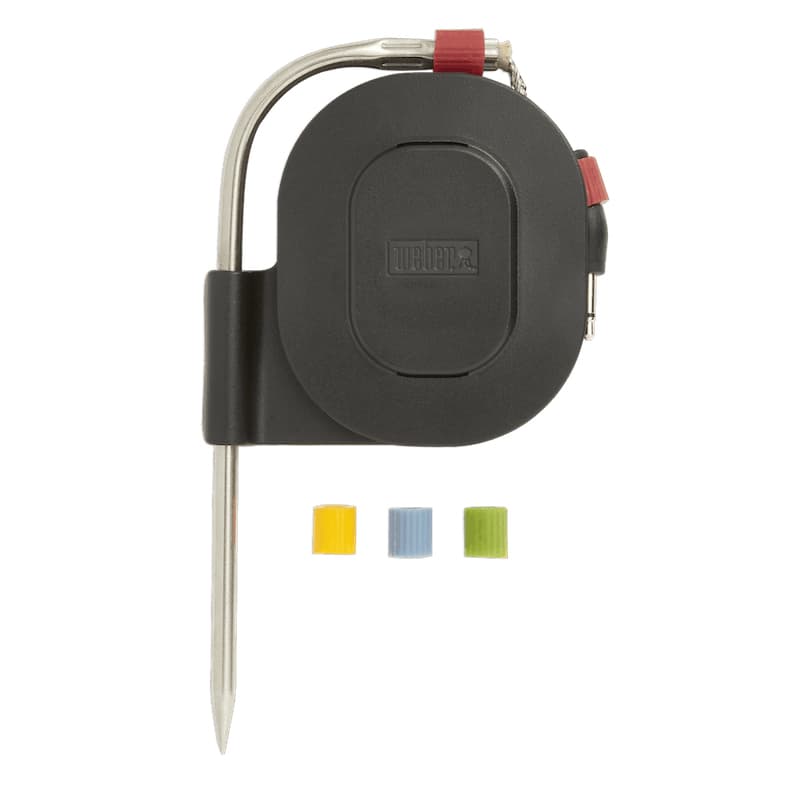
This is where the internal temperature of the meat comes in. Do not rely on time alone: a temperature probe tells you exactly when the meat is ready without your having to keep opening the barbecue (every time you lift the lid you lose heat and lengthen the process).
A temperature probe like this one helps you follow the cooking without lifting the lid every few minutes:
19,99 €
How to set up your barbecue for smoking
On a charcoal barbecue
The most common set-up is the so-called snake method : you lay the briquettes in a horseshoe around the edge of the barbecue, leaving the centre empty. You light one end only and the briquettes burn slowly along the line over several hours. The wood chips go on top of the briquettes at different points along the snake, so that they add smoke as the burn advances.
The meat goes in the centre, away from the direct heat. That gives you constant indirect heat without watching the fire every ten minutes.
On a gas barbecue
Light only the burners on one side and put the meat on the unlit side. The wood chips can go in a steel smoker box (there are very cheap ones) or wrapped in pierced foil, directly over the lit burner. Adjust the burners to hold the temperature between 110 °C and 130 °C and you are away.
First recipes: where to begin
Pork ribs: the classic for beginners
Pork ribs are the ideal way in. They are relatively cheap, they forgive small mistakes and the result always impresses. The 3-2-1 method (3 hours smoking, 2 hours wrapped in foil and a final hour uncovered with sauce) is all but foolproof for ribs that fall off the bone.
Target temperature: 95 °C internal. Recommended wood: apple or cherry.
Whole smoked chicken
A whole chicken smoked for 3-4 hours at 120 °C is another accessible classic. The skin turns golden and crisp, and the meat inside stays juicy with that unmistakable aroma. For chicken, the internal temperature must reach 74 °C at the thickest part of the thigh.
Beef brisket
This cut is the smoker’s trial by fire. A whole brisket can take between 12 and 16 hours at 110 °C. It is not for your first attempt, but once you have a couple of sessions behind you it is worth the challenge. Target internal temperature: between 93 °C and 96 °C.
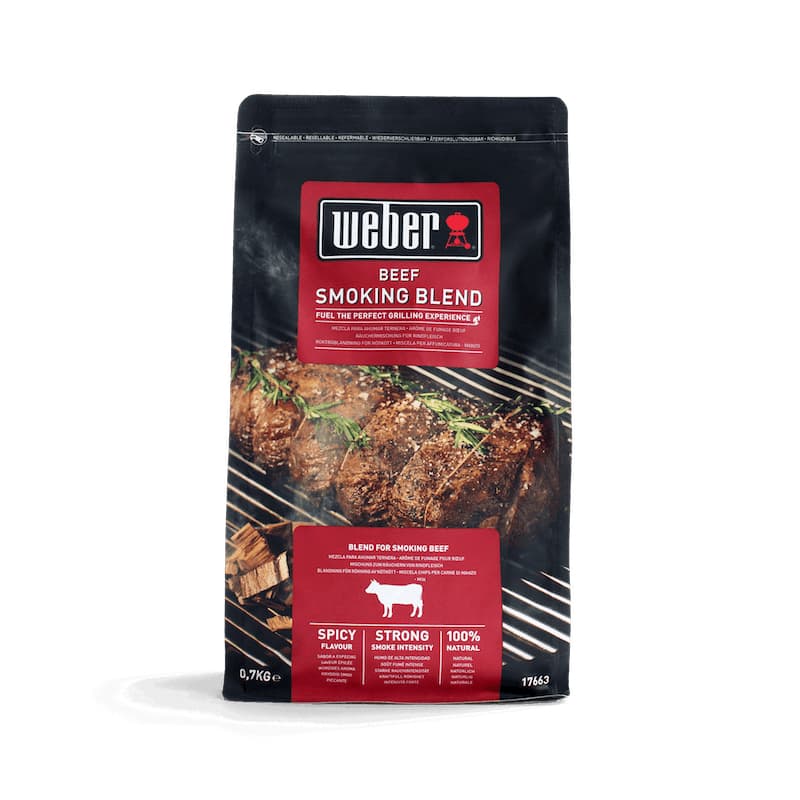
For beef, the right chips make a difference to the final flavour:
Common mistakes to avoid
- Too much smoke. More smoke does not mean more flavour. Too much smoke gives an unpleasant bitter taste. Aim for thin, bluish smoke, not thick white smoke.
- Constantly lifting the lid. Every time you lift the lid you lose heat and lengthen the process. Trust the probe and resist the temptation.
- Not resting the meat. After taking it off the barbecue, let the meat rest for at least 15-30 minutes covered with foil. The juices redistribute and the meat tastes far better.
- Using wood that is too wet. Soaking chips can produce steam rather than real smoke. If your barbecue holds heat well, try dry chips straight away.
Accessories that make a difference
Beyond the chips and the temperature probe, there are a few accessories that make life easier once you start smoking regularly. In our smoking accessories section you will find everything you need to kit yourself out well without overspending.
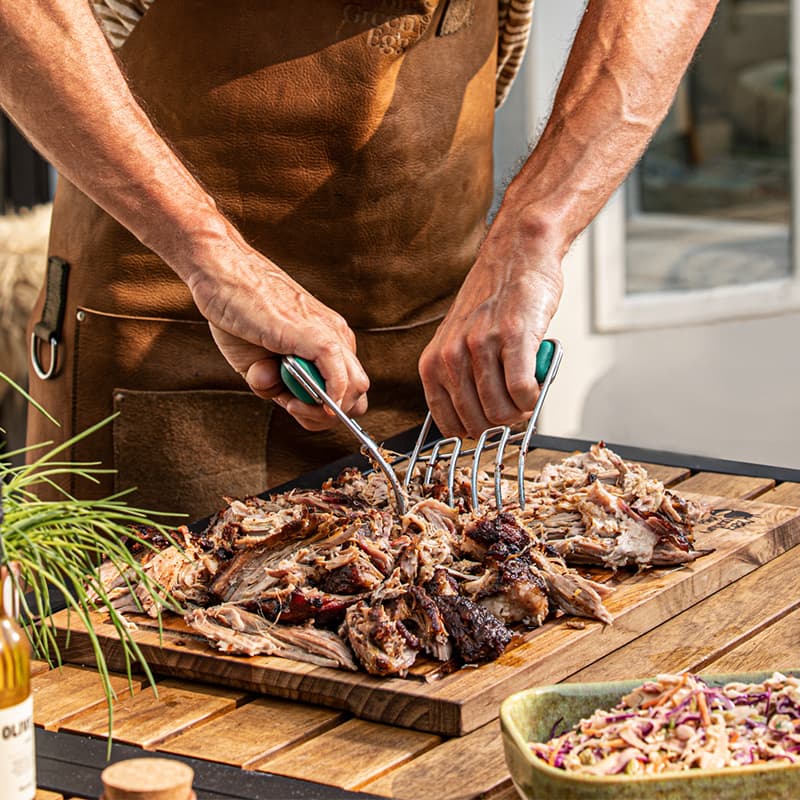
One of them is a pair of meat-shredding claws. If you smoke a pork shoulder or a whole chicken, using ordinary forks to pull the meat apart is a waste of time. A good pair of stainless steel claws does it in seconds:
One last piece of advice before you light the fire
The first time you smoke meat, choose a small cut and a short process: a chicken or a rack of ribs is perfect. Do not start with a 6-kilo brisket that needs 14 hours of attention. The learning curve in smoking is about learning to read your barbecue: how it holds heat, how much charcoal it needs, how it reacts to the wind. Every barbecue is its own world, and the best way to get to know yours is with short sessions and cuts that do not put you under too much pressure. Once you have mastered temperature control, the rest follows by itself.