Pellet barbecues: how they work and who they are for
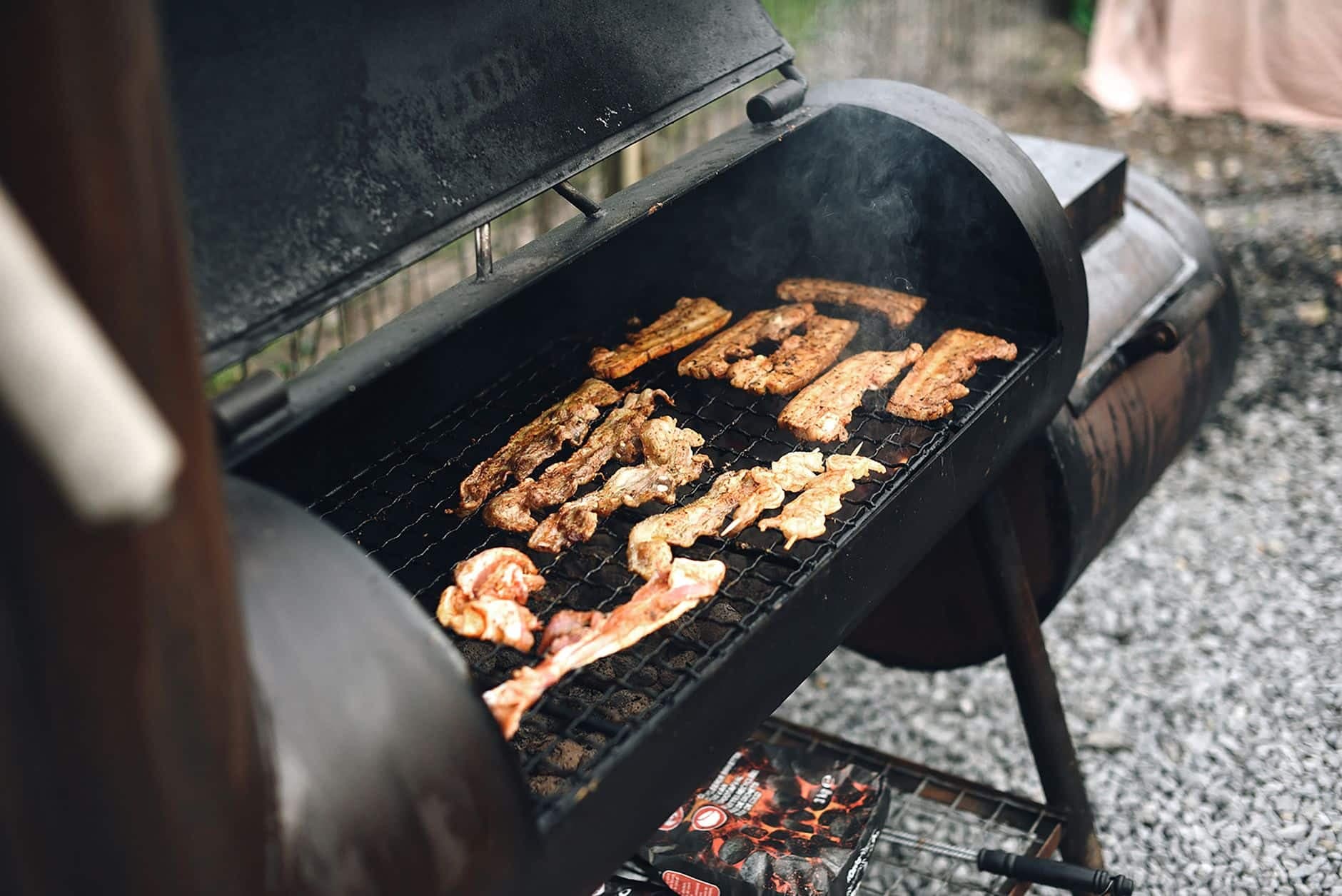
Pellet barbecues have burst onto the outdoor cooking scene, and it is no accident. They combine the convenience of modern technology with the smoky flavour that only wood can give. If you have never heard of them, or are still not sure whether they are for you, in this article we explain it all: how they work, what advantages they have and which kind of user they make most sense for.
What is a pellet barbecue?
A pellet barbecue is a type of grill that burns small cylinders of compressed wood, known as pellets. These pellets are held in a hopper at the side and are fed automatically to the burner by an auger system. A fan and an electronic controller regulate the temperature with great precision, something no charcoal barbecue can match without effort from the cook.
The result is even cooking at a constant temperature and, most importantly for anyone who cares about flavour, a delicious woody aroma that soaks into the food. You can smoke at low temperatures for hours or grill at high heat as on any conventional barbecue, all from the same appliance.
How it works inside: the mechanism step by step
Understanding the mechanism will help you get the most out of it from day one. The process is simple but ingenious:
- The hopper: This is where you load the pellets before cooking. Capacity varies from model to model, but it usually allows several hours of cooking without refilling.
- The auger: A motorised mechanism carries the pellets from the hopper to the burn pot at whatever rate the thermostat calls for.
- The burn pot: This is where the pellets burn. An electric element lights them automatically when you start the barbecue.
- The fan: It feeds the flame and spreads the heat evenly through the whole cooking chamber.
- The digital controller: This is the brain of the system. It adjusts the quantity of pellets and the speed of the fan to hold the temperature you have set, with minimal variation.
Thanks to this system you can light the barbecue, set 120 °C and go off to make the marinade, confident that when you come back the temperature will be exactly that.
The key role of the pellets: they are not all the same
The quality and the type of wood in the pellets have a direct effect on the final flavour of what you cook. There are oak, apple, cherry, walnut and hickory pellets, as well as special blends. Each wood gives a different smoking profile: fruit woods are milder and sweeter, ideal for poultry and fish; denser woods such as hickory or oak give an intense smoke, perfect for ribs or brisket.
Using premium-quality pellets makes an enormous difference. Weber Grill Academy wood pellets are a reliable choice, made from 100 % natural wood with no additives, guaranteeing clean smoke and authentic flavour every time.
[product id="10521"]If you want to start smoking with pellets without investing in a complete barbecue, the Weber Smoke Pellet Smoker is a clever solution: it attaches to the barbecue you already have and lets you enjoy the flavour of wood without changing your kit.
[product id="47571"]Advantages over other types of barbecue
On the market you will find three main alternatives: charcoal, gas and pellets. Each has its following, but pellet barbecues stand out in several key respects.
Compared with charcoal barbecues
Charcoal barbecues offer the ritual and the most traditional flavour, but they take experience to control the temperature and constant attention while you cook. A pellet barbecue automates that control without giving up the flavour of wood. If you like the results charcoal gives but do not have the time or the patience to watch the fire, pellets are your answer.
Compared with gas barbecues
Gas barbecues are convenient and quick, but on their own they add no smoky flavour at all. Pellets fill that gap: you get the convenience of gas plus the aroma of wood. The only drawback is that you need a power socket for the control system, which limits their use in very remote places.
Who is a pellet barbecue for?
That is the million-euro question. Pellet barbecues are not the perfect option for everyone, but they fit certain people perfectly:
- The enthusiast who wants professional results: If you love cooking but do not have hours to master a charcoal fire, pellets give you restaurant results with a minimal learning curve.
- The lover of smoking: Long cooks at low temperatures, whole joints of pork or beef that look after themselves for 8 or 10 hours. This is the natural territory of pellets.
- Families who barbecue often: Repeatable results and ease of use mean that anyone in the family can take charge of the grill without fear of getting it wrong.
- Anyone who wants versatility: Smoking, roasting, baking, browning… a single pellet barbecue can do all of it, just by adjusting the temperature.
If, on the other hand, you are one of those who enjoy the ritual of lighting charcoal, managing the embers and living the whole process by hand, you will probably prefer to stay with your traditional grill. Every tool has its own philosophy.
Accessories that make the difference
As with any barbecue, the right accessories lift the experience. For pellet barbecues there are a few that are especially useful.
A good cooking grate is essential for perfect marks and even cooking. The right barbecue grates and utensils make a difference both to how the food looks and to how it turns out.
[product id="11754"]Cleaning is another thing not to neglect. Pellet barbecues build up ash in the burn pot and fat on the grill, so keeping them clean extends their life and improves the flavour. You will find specific options in our barbecue cleaning productssection. The steel Barbecue Cleaning Kit is a good choice for keeping metal surfaces in perfect condition without damaging them.
[product id="11723"]If you want to look at everything available before deciding, we suggest having a look at our full selection of barbecues and ovens, where you will find models for every level and every budget.
A word of advice before buying your first pellet barbecue
Before taking the plunge, think about the space you have and how often you plan to use it. Pellet barbecues tend to be larger than entry-level gas or charcoal ones, and they need to be near a socket. It is also worth checking the capacity of the hopper: if you like long 8 or 10-hour cooks, look for models with generous hoppers so that you do not have to refill halfway through. And of course, invest in good-quality pellets from the start: the fuel is the foundation of the flavour and it is not worth economising there. With those three things covered, a pellet barbecue can turn out to be the best investment you make for your gatherings outdoors.